
Overview
The liver is one of the most important organs in the body, responsible for filtering toxins, supporting digestion, storing nutrients, and maintaining overall metabolic balance. Unhealthy eating habits, excessive alcohol consumption, obesity, infections, certain medications, and lack of physical activity can gradually affect liver function and increase the risk of liver-related disorders.
Regular liver health screening helps in identifying potential problems at an early stage, even before noticeable symptoms appear. Timely diagnosis and routine monitoring can support better liver function, improved digestion, and long-term overall health.
Symptoms of Liver Disease
Yellow Skin and Eyes (Jaundice)
Yellow discoloration of the skin and eyes caused by increased bilirubin levels in the body.
Dark Urine
Dark-colored urine may occur when excess bilirubin is removed from the body through urine.
Pale Stool Colour
Light or pale stools can indicate reduced bile production or blockage in the bile ducts.
Loss of Appetite
Reduced appetite over time may lead to weakness, fatigue, and unexpected weight loss.
Nausea, Vomiting & Diarrhea
Digestive discomfort such as nausea or vomiting may appear due to liver-related conditions.
Abdominal Pain & Swelling
Pain or swelling near the upper right abdomen may occur because of liver inflammation.
Unexplained Weight Changes
Sudden weight loss or gain without lifestyle changes may sometimes indicate liver problems.
Itchy Skin
Persistent itching may develop when liver function is affected and bile salts build up.
Types of Liver Disease
Liver diseases can affect the liver’s ability to function properly and may lead to inflammation, damage, or long-term health complications if not diagnosed early.
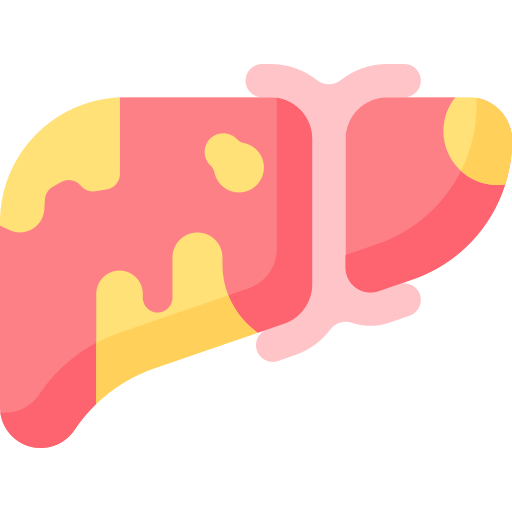
Fatty Liver Disease
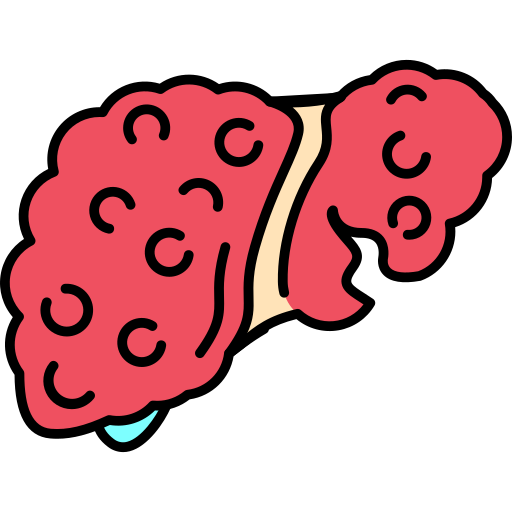
Liver Fibrosis
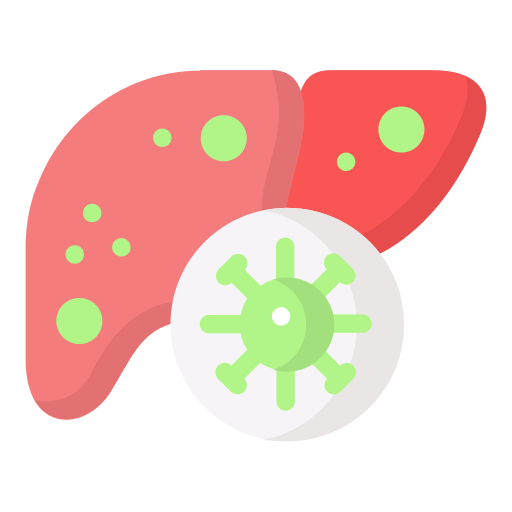
Hepatitis
Liver Cancer
Wilson Disease
NASH
Cirrhosis

Jaundice
Bile Duct Diseases
Fatty Liver Disease occurs when excess fat starts building up in the liver. Under normal conditions, the liver contains very little fat, but unhealthy lifestyle habits, obesity, diabetes, high cholesterol, or alcohol consumption can gradually increase fat accumulation and affect liver function.
In some individuals, fatty liver can develop even without alcohol consumption. This condition is known as Non-Alcoholic Fatty Liver Disease (NAFLD). Since it often shows very few or no noticeable symptoms in the early stages, it may remain undetected for a long time if regular screening is not done. If ignored, it can eventually lead to severe liver complications, including liver damage or liver cancer.
Alcoholic & Non-Alcoholic Fatty Liver Disease
Alcoholic Fatty Liver Disease is commonly seen in people who consume alcohol heavily over a long period. In many cases, liver health may improve if alcohol intake is stopped early.
Non-Alcoholic Fatty Liver Disease (NAFLD) develops when fat accumulates in the liver despite little or no alcohol consumption. A more advanced form of NAFLD is called Non-Alcoholic Steatohepatitis (NASH), where fat buildup is accompanied by inflammation and liver cell damage.
NASH can progress to advanced liver diseases such as fibrosis, cirrhosis, liver failure, or liver cancer if not managed on time. In many cases, symptoms may not appear until significant liver damage has already occurred.
Common Risk Factors for NASH
- High blood pressure
- Heart disease
- High cholesterol or lipid levels
- Insulin resistance
- Type 2 diabetes
- Obesity
Liver Fibrosis
Liver fibrosis develops when repeated liver injury or inflammation causes scar tissue to form inside the liver. This may happen in conditions such as NASH or chronic liver diseases. Over time, excessive scar tissue affects the liver’s ability to repair itself and function properly. Advanced fibrosis can eventually lead to cirrhosis, liver failure, or the need for liver transplantation.
Cirrhosis
Cirrhosis refers to severe scarring of the liver caused by long-term liver damage from conditions like fatty liver disease, hepatitis, or alcohol-related liver disorders. As scarring increases, liver function becomes weaker and may lead to complications such as jaundice, kidney problems, or gallstones.
Hepatitis
Hepatitis is inflammation of the liver that may occur due to viral infections, poor hygiene, contaminated food or water, infected needles, or contact with infected body fluids. Different forms of hepatitis include Hepatitis A, B, C, D, and E, each having different causes and modes of transmission.
Jaundice
Jaundice is a condition where the skin and eyes appear yellow because of increased bilirubin levels in the body. This usually happens when the liver is unable to process bilirubin efficiently during the breakdown of red blood cells.
Liver Cancer
Liver cancer may begin directly in the liver or spread from other parts of the body. Risk factors include chronic hepatitis infection, heavy alcohol use, obesity, diabetes, and cirrhosis. Early diagnosis plays an important role in better treatment outcomes.
Bile Duct Diseases
The liver produces bile, which helps digest fats. Bile travels through small tubes called bile ducts to the intestine. Conditions such as gallstones, infections, cancer, inflammation, or birth defects can block these ducts and affect the normal flow of bile, sometimes leading to liver damage or liver failure.
Wilson Disease
Wilson Disease is a rare inherited disorder in which excess copper accumulates in the body due to improper removal by the liver. Over time, this buildup can damage the liver, brain, kidneys, and eyes.
How is Liver Disease Diagnosed?
Different laboratory investigations and liver-specific tests are used to evaluate liver health, identify liver damage, and monitor ongoing liver-related conditions. Doctors may recommend these tests depending on symptoms, medical history, and overall health condition.
Liver Function Test (LFT)
A Liver Function Test is a group of blood tests commonly used to assess how well the liver is functioning. These tests help detect inflammation, infection, liver injury, or blockage in the bile ducts.
Common Tests Included in Liver Function Testing
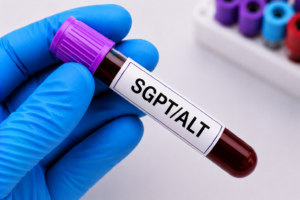
Alanine Aminotransferase (ALT)
ALT is an enzyme mainly found in the liver. Elevated ALT levels may indicate liver inflammation or damage and are commonly used to assess liver-related disorders.
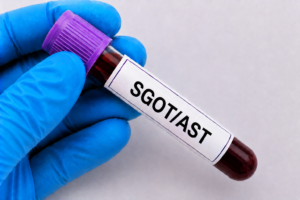
Aspartate Aminotransferase (AST)
AST is an enzyme present in the liver, heart, and muscles. Increased AST levels may suggest liver injury, muscle damage, or other health conditions, especially when evaluated together with ALT.
Gamma Glutamyl Transferase (GGT)
GGT is an enzyme found in several organs, particularly in the liver. High GGT levels are often associated with liver disease, bile duct disorders, or excessive alcohol consumption.
Bilirubin – Total
This test measures the total bilirubin level in the blood. High bilirubin levels may lead to jaundice and can indicate liver disease, bile duct obstruction, or red blood cell breakdown.
Bilirubin – Direct
Direct bilirubin measures the processed form of bilirubin handled by the liver. Elevated levels may be linked to liver dysfunction or bile flow problems.
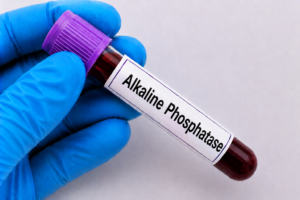
Alkaline Phosphatase (ALP)
ALP is an enzyme related to the liver and bile ducts. Increased ALP levels may indicate liver inflammation, bile duct blockage, or certain bone disorders.
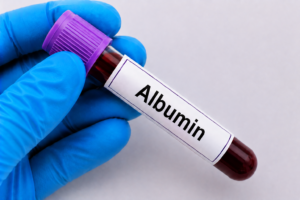
Albumin
Albumin is an important protein produced by the liver. Low albumin levels may suggest poor liver function or chronic liver disease.
Total Protein
This test measures the total amount of protein in the blood, including albumin and globulin. It helps evaluate liver health, nutritional status, and certain kidney or digestive disorders.
Ammonia Test
The Ammonia Test measures ammonia levels in the blood. Elevated ammonia levels may occur in severe liver disease or conditions where the liver is unable to remove toxins effectively.
Ceruloplasmin Test
Ceruloplasmin is a protein responsible for carrying copper in the bloodstream. This test is commonly used to help diagnose Wilson Disease and other disorders related to copper metabolism.
Bile Acids – Total
High bile acid levels may indicate liver inflammation, bile flow disorders, hepatitis, or chronic liver conditions.
NAFLD Fibrosis Score
The NAFLD Fibrosis Score is a non-invasive assessment used to estimate the amount of scarring or fibrosis in individuals with Non-Alcoholic Fatty Liver Disease (NAFLD).