





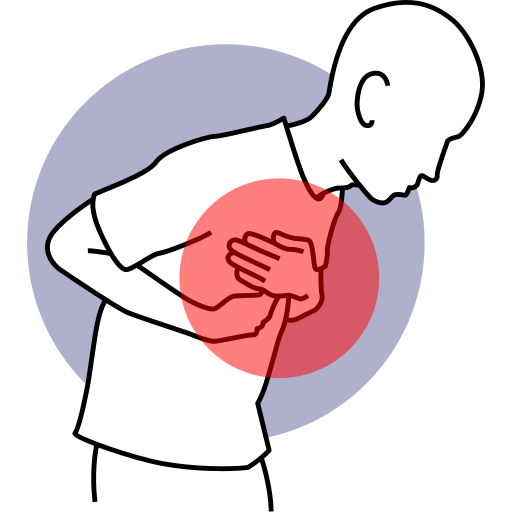
Overview
Your heart plays an important role in keeping your body active and healthy by continuously supplying oxygen and nutrients to every part of the body. However, factors like stress, unhealthy food habits, lack of exercise, smoking, obesity, diabetes, and high cholesterol can gradually affect heart health and increase the risk of cardiovascular problems.
Regular heart checkups and timely screening can help detect possible issues at an early stage before they become serious. Monitoring your heart health regularly supports better circulation, improved overall wellness, and a healthier lifestyle in the long run.
Heart disease is any condition that affects your heart such as
Coronary Artery Disease
A condition where the arteries supplying blood to the heart become narrow or blocked over time.
Valvular Heart Disease
A disorder that affects the heart valves and interrupts the normal flow of blood inside the heart.
Arrhythmia
A condition where the heartbeat becomes too fast, too slow, or irregular due to electrical changes.
Cardiomyopathy
A disease that weakens the heart muscles and reduces the heart’s ability to pump blood effectively.
Congenital Heart Defects
Heart conditions that are present from birth and may affect the structure or function of the heart.
Common symptoms that may indicate heart-related problems
Chest Pain
A feeling of pressure, tightness, or discomfort in the chest that may occur during physical activity or stress.

Shortness of Breath
Difficulty in breathing or feeling breathless even during mild physical activity or while resting.

Excessive Sweating
Sudden sweating without physical exertion may sometimes be associated with heart-related conditions.

Nausea
Feeling uneasy in the stomach, dizziness, or nausea can occasionally appear along with cardiac symptoms.
Irregular Heartbeat
Changes in heart rhythm such as rapid, slow, or skipped heartbeats may require medical attention.
How is Heart Disease Diagnosed?
Heart disease is diagnosed through a combination of medical evaluation, symptom analysis, and diagnostic testing. Doctors may recommend different tests depending on the patient’s condition, lifestyle, and overall health history.
Depending on the initial findings, additional cardiac investigations may be advised for a more detailed assessment of heart health.


